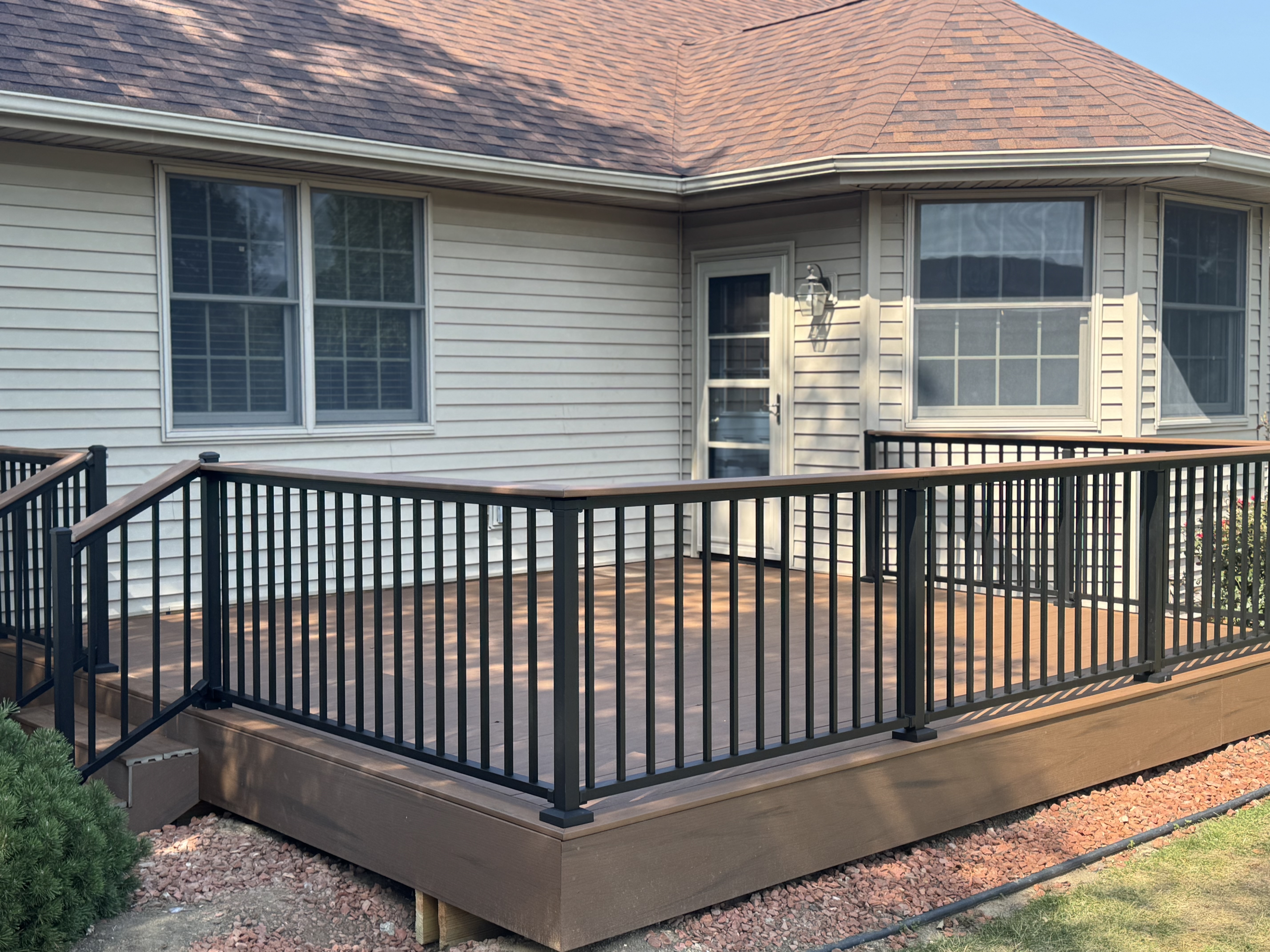
The Versatility of Modular Home Design: Building for the Future Jun 10, 2026
Modular homes, often misunderstood as mere prefabricated structures, have evolved significantly over the years. Today, they represent a blend of style, efficiency, and sustainability, characterized by a construction process that is both time-effective and cost-efficient. These homes are built in sections or modules in a controlled factory environment, then transported and assembled on-site. This innovative method offers several advantages over traditional construction, making it a compelling choice for many.
One major advantage of modular home design is its versatility. Unlike traditional construction, which often involves lengthy timelines and weather-dependent delays, modular homes can be constructed swiftly and efficiently. This speed does not compromise quality; in fact, the precision of factory construction can enhance the overall durability and consistency of the home. Each module is meticulously crafted with attention to detail, ensuring a high standard that meets building codes and regulations, similar to site-built homes.
Furthermore, modular homes provide significant environmental benefits. The construction process creates less waste, as materials are precisely measured and used in factories. This contributes to a more sustainable building practice, aligning with the growing demand for eco-friendly residential solutions. In addition, the energy efficiency of modular homes can contribute to lower utility costs, a significant consideration for homeowners looking to reduce their carbon footprint and operational expenses.
Another key benefit of modular design is customization. Customers of Risner Construction will appreciate the flexibility and personalization offered with modular homes. Whether you desire a minimalist open-concept layout or a multi-story design with distinct spaces, modular homes can be tailored to meet specific needs and aesthetics. This customization extends to finishes, fixtures, and features, allowing homeowners to select the materials and designs that best reflect their personal style and functional requirements.
Moreover, as lifestyles and family dynamics change, modular designs can be easily modified or expanded. The ability to add new modules means homeowners can adjust their living spaces without the hassle of extensive renovations or moving to a new house. This adaptability ensures that modular homes remain practical and relevant over time, accommodating growth or changes in individual needs.
For many, the financial aspect is pivotal when considering a new home. Modular homes often present significant savings, primarily due to the efficiencies gained in the construction process and the reduction in labor and material waste. This cost-effectiveness means that more resources can be allocated toward high-quality finishes and sustainable technologies within the home's design, delivering excellent value for money.
In conclusion, as consumers look for innovative solutions in modern construction, modular home design presents a forward-thinking approach that combines versatility, efficiency, and sustainability. For Risner Construction clients, considering a modular design could mean not only enjoying a beautiful and functional new living space but also investing in a home that meets future challenges. By opting for a modular approach, you align with a vision of progress and adaptability, ensuring your home is truly built for the future.
/filters:no_upscale()/filters:format(webp)/media/a2b877b1-dd90-4c5c-a8e1-f3010603b0a4.jpeg)