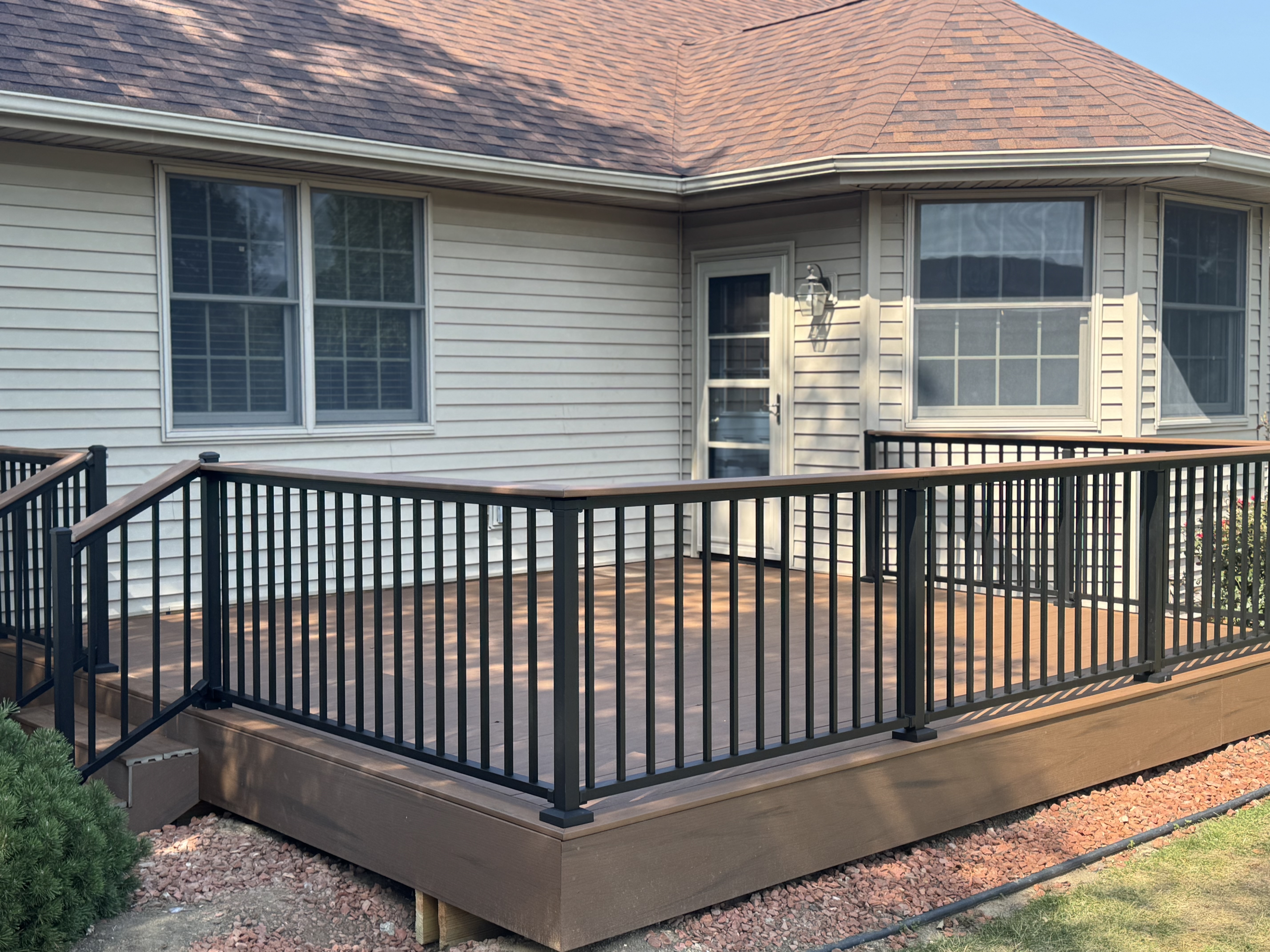
Designing Robust Structures: Understanding Foundations and Framing in New Builds Jan 25, 2026
The foundation of a building is its backbone, supporting the load and maintaining stability. One must consider the ground condition, climate, and building type when deciding on the appropriate foundation. There are primarily three types of foundations: slab-on-grade, crawl space, and basement. Each has its benefits and applications. For instance, slab-on-grade, which involves pouring concrete directly onto the ground, is cost-effective and ideal for mild climates. Alternatively, crawl spaces elevate the building, offering easier access to utilities, and basement foundations provide additional living or storage space, albeit at a higher cost. Choosing the right foundation type tailored to the site's specific needs is crucial for the building's overall longevity and performance.
Once the foundation is in place, the next step is framing, which involves assembling the building's skeleton. This vital component not only shapes the structure but also impacts its strength and functionality. The three most common materials used for framing are wood, steel, and concrete. Wood framing is popular due to its cost-effectiveness and ease of use. However, steel framing has gained traction for its superior strength and resistance to environmental factors such as termites and mold. Concrete frames offer immense durability and fire-resistant properties, ideal for high-rise buildings or regions prone to natural disasters.
When deciding on a framing material, consider the building's intended use, budget constraints, and environmental impacts. For instance, wood is highly sustainable due to its renewable nature, whereas steel and concrete, though durable, have a larger carbon footprint. Consultation with experienced professionals at Risner Construction can aid in selecting materials that align with your values and the building's purpose.
Incorporating modern technological advancements can further enhance the robustness of foundations and framing. For example, 3D modeling systems enable precise planning and simulation of stress tests, predicting how structures will withstand various conditions. Moreover, innovations in smart materials, like self-healing concrete, can significantly extend a building's lifespan by reducing maintenance needs.
At Risner Construction, we combine traditional craftsmanship with cutting-edge technology to deliver results that exceed expectations. Our experts understand that a well-designed foundation and framing system not only enhances the aesthetic appeal but also adds immeasurable value to the property. By ensuring your structure is both durable and efficient, you safeguard your investment against unforeseen challenges.
In conclusion, the process of creating a new build involves meticulous planning and execution of its foundational and framing systems. By prioritizing quality in these elements, you lay a strong groundwork for a structure that will withstand the test of time. Whether you’re looking to construct a family home or a commercial space, partnering with knowledgeable professionals like those at Risner Construction ensures that your project is in capable hands. With our expertise, your ambitions are firmly set on a solid foundation.
/filters:no_upscale()/filters:format(webp)/media/a2b877b1-dd90-4c5c-a8e1-f3010603b0a4.jpeg)